Light single turbine, legacy
Bell 206 for Sale: Price, Specs and Buying Guide
| Spec | Detail |
|---|---|
| Passengers | 4 (JetRanger) or 6 (LongRanger) |
| Range | 360 nm |
| Cruise speed | 130 kts |
| Cabin | 206B JetRanger: 1 pilot + up to 4 passengers; stretched 206L LongRanger: 1 pilot + up to 6 passengers |
| Produced | JetRanger 1966-2010; LongRanger 1974-2016 (Bell); out of production but a very large used fleet remains active |
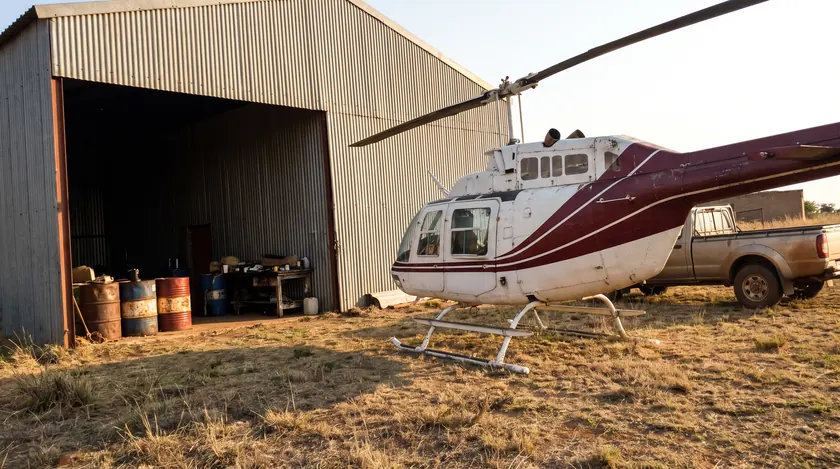
AvBuyer ranks the Bell 206 as the second most-populous turbine helicopter type in Africa, behind only the Leonardo AW139. That count includes a large number of high-time, African-registered JetRangers and LongRangers still earning their keep in utility, tourism, training and game-capture work, decades after Bell stopped building new ones.
The 206B JetRanger seats a pilot and up to four passengers; the stretched 206L LongRanger seats a pilot and up to six. Both went out of production years ago, the JetRanger in 2010 and the LongRanger in 2016, but the used fleet is large enough that parts, engineering knowledge and buyers are all still active across the continent.
Operating costs
Budget an estimated $450 to $650 an hour for a legacy light single like this, and expect the number to drift upward over time. Parts and engine-overhaul costs on a design this old tend to rise as the supplier base narrows, so a low asking price that looks cheap can turn expensive fast once a major component comes due. Ask specifically about parts availability and lead times with a maintenance organisation that supports the type before you rely on a low estimate. That figure covers fuel and routine maintenance only, and it assumes parts are available when needed, which is worth confirming for the aircraft's specific engine variant before you build a budget around it.
Bell 206 price in 2026
Pricing splits sharply by variant. As of 2026, the JetRanger (206B-3) trades at roughly $310,000 to $895,000, averaging around $543,000 to $699,000. The stretched LongRanger (206L/L-4) runs higher, roughly $425,000 to $1.8 million, reflecting its bigger cabin and generally younger average airframe age within the 206 family.
On a type this old, component time matters more than model year. Two 206s built the same year can be priced very differently depending on where the main rotor blades and mast sit against Bell's life limits and where the Rolls-Royce or Allison 250 engine sits against its next hot-section or overhaul. A low total-time airframe with fresh components justifies a price near the top of its variant's range. A high-cycle example does not, regardless of how the logbook reads at first glance. Ask for the specific component times in writing before you compare two listings on asking price alone. On a type this old, the sticker price tells you almost nothing on its own.
Prefer to just ask? Send a short message, we reply the same day.
Ask about Bell 206What to check before you buy a Bell 206
Age is the theme of this checklist. Every item below exists because the 206 design has had decades to reveal where it wears.
- Check the metal main rotor blades and yoke against their life limits. Fatigue and corrosion are critical on this older design in a way they are not on newer composite-blade types.
- Borescope the Rolls-Royce or Allison 250-C20 or -C30 engine and review its hot-section and overhaul history.
- Inspect the tail-rotor driveshaft hanger bearings and the 42-degree gearbox.
- Check the tailboom, doubler plates and main-rotor mast for corrosion, a classic issue on high-time 206s.
- Confirm fuel bladder or tank condition and compliance with the Directives appropriate to the airframe's era.
- Compare total airframe hours against remaining component life. Many African-registered 206s are high-time, high-cycle airframes.
- Get full logbook continuity. This type's age and history of frequent past ownership changes make paperwork gaps more likely than on a newer aircraft.
Who the Bell 206 suits in Africa
The 206 still earns its keep in utility flying, tourism, training and game-capture work, particularly in South Africa's private-owner and farm-management fleets where a rugged, well-understood airframe matters more than cabin comfort. Buyers usually already know the type from experience and are looking for a specific hours and price combination rather than being talked into the model.
Operators actively retiring older 206s are moving to either the modern Bell 505 or the piston Robinson R44, depending on whether turbine reliability or purchase price matters more to them.
Photos and full spec sheets of specific Bell 206 airframes are available on request via WhatsApp.
Ready to talk about a Bell 206?
Tell us the mission and the budget. We reply the same day with what is realistically available.
Ask about Bell 206